
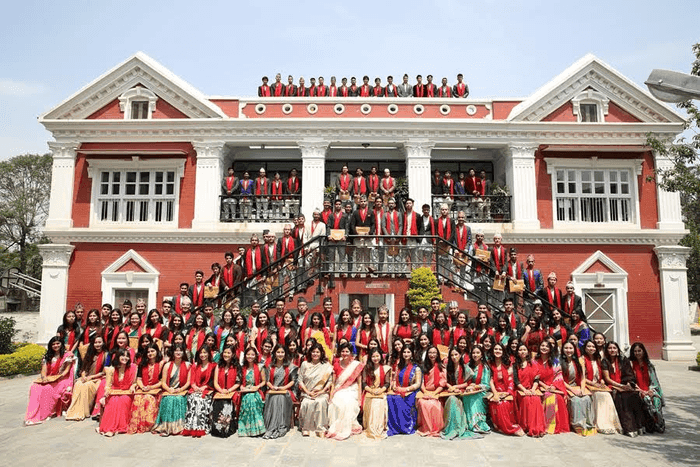
Rato Bangala School
Introduction
Rato Bangala School (RBS) is one of Nepal's most respected and progressive educational institutions, located in Patan, Lalitpur. Established with a vision to provide quality education that goes beyond traditional classroom learning, the school is recognized for its learner-centered approach, strong academic standards, and commitment to developing responsible, independent, and compassionate individuals. RBS serves students from primary through secondary levels and has built a reputation for fostering intellectual curiosity, creativity, and critical thinking.
History
Rato Bangala School was founded in 1992 by the Rato Bangala Foundation, an organization committed to educational innovation and social development in Nepal. The founders envisioned a school that would encourage students not only to excel academically but also to become thoughtful, socially responsible citizens capable of contributing positively to society.
At a time when much of Nepal's education system relied heavily on rote memorization and examination-focused learning, RBS introduced a more interactive and inquiry-based approach. The school emphasized understanding, problem-solving, communication skills, and experiential learning. This educational philosophy helped distinguish RBS from many conventional schools and attracted families seeking a more holistic learning environment for their children.
Over the years, the school has continued to evolve while remaining committed to its founding principles. It has incorporated modern teaching methodologies, technology-enhanced learning, environmental education, and community engagement into its programs. Through continuous innovation and a dedication to educational excellence, RBS has become one of Nepal's leading schools and a model for progressive education in the country.
Educational Philosophy
The educational philosophy of Rato Bangala School is centered on the belief that learning should be meaningful, engaging, and relevant to real life. The school encourages students to ask questions, think critically, collaborate with others, and develop a lifelong love for learning. Teachers act as facilitators who guide students in exploring ideas, solving problems, and building confidence in their abilities.
RBS places equal importance on academic achievement, personal growth, creativity, leadership, and ethical values. Students are encouraged to become active participants in their education while developing respect for diversity, social responsibility, and environmental sustainability.
Academic and Co-Curricular Programs
The school offers a comprehensive curriculum designed to balance academic rigor with opportunities for personal development. In addition to core subjects such as mathematics, science, social studies, and languages, students participate in a wide range of activities that promote creativity, teamwork, and leadership.
Co-curricular and extracurricular opportunities include:
- Sports and physical education
- Music, dance, and performing arts
- Visual arts and creative expression
- Debate and public speaking
- Environmental and social service projects
- Clubs and student-led initiatives
- Educational excursions and experiential learning programs
These activities help students develop confidence, communication skills, and a sense of responsibility toward their communities.
Contribution and Reputation
Throughout its history, Rato Bangala School has played an important role in promoting innovative educational practices in Nepal. Its emphasis on critical thinking, experiential learning, and holistic development has influenced broader discussions about educational reform and quality learning in the country.
The school is widely recognized for producing graduates who are academically capable, socially aware, and prepared to meet the challenges of higher education and the modern world. Its strong commitment to excellence, inclusivity, and lifelong learning continues to make it one of Nepal's most respected educational institutions.
Core Values
- Excellence in learning and teaching
- Critical and independent thinking
- Creativity and innovation
- Respect and inclusivity
- Social responsibility and service
- Environmental stewardship
- Lifelong learning
Motto
"Learning for Life"
Conclusion
For more than three decades, Rato Bangala School has remained dedicated to providing an education that nurtures both intellectual growth and personal development. By combining academic excellence with creativity, community engagement, and ethical values, the school continues to empower students to become confident learners, responsible citizens, and leaders of the future.