
Water Purifiers in Nepal: RO vs UV vs UF Compared
A household in Nepal may use municipal water, tanker deliveries, a borewell or a storage tank. These sources can have very different risks. This independent guide compares reverse osmosis (RO), ultraviolet treatment (UV), ultrafiltration (UF) and activated carbon so readers can choose based on evidence rather than marketing.
Our comparison method
We compared the four technologies on germ control, chemical reduction, maintenance, and independent certification using the US CDC's drinking-water guidance and NSF water-treatment standards. This is a technology comparison, not a test or ranking of individual brands sold in Nepal.
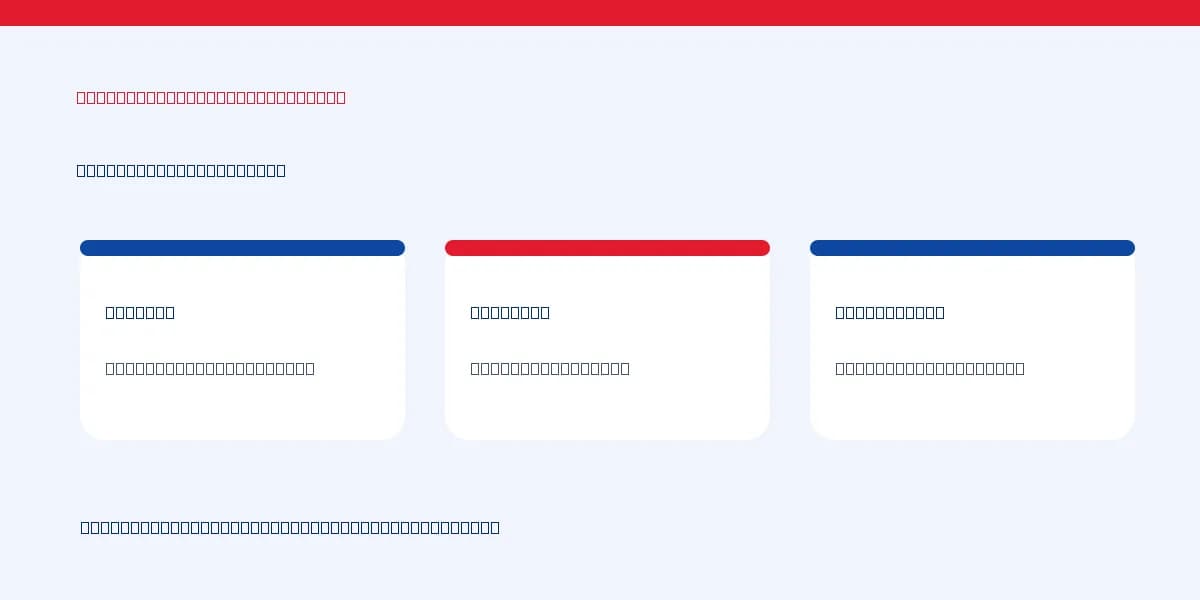
RO vs UV vs UF vs carbon: side-by-side
| Method | Main purpose | Important limitation | What to verify |
|---|---|---|---|
| RO | Membrane treatment for germs and certain dissolved contaminants | Actual chemical-reduction claims vary by model; maintenance and reject water matter | NSF/ANSI 58 and the specific contaminant claim |
| UV | Inactivates germs with ultraviolet light | Does not remove dissolved chemicals; cloudy water can reduce performance | Suitable prefiltration, UV specification and lamp service |
| UF | Filters many bacteria and parasites | May not remove all viruses and generally does not remove dissolved chemicals | Pore size, certified performance and cleaning |
| Activated carbon | Improves taste and odour and may reduce specific substances | Ordinary carbon alone is not reliable disinfection | Relevant NSF/ANSI 42 or 53 claims |
The CDC cautions that taste, smell and appearance are not reliable tests of water safety. A purifier with more advertised stages is not necessarily better for your source.
RO: when is it worth considering?
Reverse osmosis can be useful where testing identifies a dissolved contaminant that the particular RO model is certified to reduce. The CDC says RO can remove germs and some chemicals, including certain metals and salts. However, not all products are certified for the same contaminants.
Check the exact model and membrane, the replacement schedule, the amount of reject water, whether the unit requires electricity, and whether service and parts are available in your city. A generic RO sticker does not prove the removal of arsenic, fluoride or every other substance.
The NSF explanation of RO certification shows that individual contaminant claims are distinct from general system certification.
UV: when is it appropriate?
UV is primarily a disinfection technology. It does not remove chemical contaminants. Water should be sufficiently clear for UV to work as intended, and lamps and electrical components require maintenance.
Ask whether the device has a suitable performance claim, what happens during a power cut, whether there is an alarm for lamp failure, and how frequently the lamp or sleeve must be serviced. If your water has an unsafe dissolved chemical, UV alone is not the answer.
UF: what can it do?
UF uses a fine membrane to remove many bacteria and parasites. It is not a universal solution for viruses or dissolved chemicals. Its effectiveness depends on the membrane and actual operating conditions.
If your water supply is uncertain, confirm whether the system needs a second disinfection step. Do not assume a UF membrane makes contaminated water safe for everyone.
Carbon: useful, but not a cure-all
Activated carbon can improve the taste and smell of water. Certain certified carbon products also reduce specified health-related contaminants. Many ordinary jug and refrigerator filters, however, are not designed to remove germs.
For a source already confirmed safe, carbon may be a reasonable taste-improvement option. For untreated or potentially contaminated water, first identify the hazard and select a suitable treatment process.
Nepal buying checklist
- Identify the water source. Is it a tanker, borewell, municipal tap, spring or mixed rooftop tank?
- Test the water appropriately. Ask a qualified water-testing laboratory which microbiological and chemical tests match your source.
- Match treatment to the results. Ask for the exact model's independent contaminant-reduction certification.
- Compare total ownership cost. Request written pricing for filters, membranes, UV lamps, installation and servicing.
- Inspect local support. Confirm spare parts, warranty terms and technician availability.
- Plan for storage. Clean treated-water tanks and taps according to safe instructions.
- Keep records. Save the invoice, product model, test results and service history.
Our guide to verifying laboratory credentials concerns medical laboratories. For drinking water, ask specifically for a laboratory capable of water-quality testing; the two services are not interchangeable.
Red flags to avoid
A seller who promises to remove all chemicals, germs and minerals without an exact test report deserves scrutiny. So does a vendor who cannot identify replacement costs, warranty support or the product's real manufacturer. A low total-dissolved-solids reading alone does not prove microbiological safety.
If you need a technician, read how to find trusted local service providers. Before paying a deposit, use our business legitimacy checklist.
Frequently asked questions
Is RO always better than UV?
No. RO and UV serve different purposes. The correct choice depends on the contaminants present and the model's tested performance.
Can UV remove arsenic or salts?
No. UV disinfects water; it does not remove dissolved chemicals.
Does UF remove every virus?
Not necessarily. The CDC notes that UF may allow some viruses through.
Can I use a TDS meter instead of a laboratory test?
No. A TDS reading cannot establish that harmful germs or every hazardous chemical are absent.
How often should filters be changed?
Follow the manufacturer's instructions and consider the quality and volume of water treated. There is no universal replacement interval.
Should I buy the cheapest purifier?
Compare the complete cost of ownership and verified treatment claims, not only the initial price.
Official references and further reading
Use the CDC's filter-selection guide, NSF standards overview and NSF maintenance advice. Information reviewed 30 October 2026.
Browse more practical Nepal buying guides and explore Ratings Nepal to discover local providers. If you have first-hand experience with a listed installer or supplier, consider sharing an honest review to help other households.