
School Safety in Nepal: A Parent Inspection Checklist
Choosing a school involves more than exam results and fees. Parents should inspect everyday safety arrangements, ask how incidents are handled, and distinguish a school's written policy from what actually happens on campus. This checklist is a practical inspection tool, not a certification of any institution.
What should parents check first?
Start with five areas: safe entry and exit, emergency readiness, student supervision, transport arrangements and a clear process for reporting concerns. Ask to see how these work during an ordinary school day rather than relying solely on brochures.
| Area | Ask the school | Evidence to request |
|---|---|---|
| Gate security | Who can collect a child? | Visitor and pickup procedure |
| Fire and earthquake readiness | When was the last drill? | Drill plan and evacuation map |
| Student wellbeing | Who receives complaints? | Named safeguarding contact and confidential procedure |
| Transport | How are routes and drivers monitored? | Vehicle and driver records |
| Hygiene | Are drinking water and toilets maintained? | Maintenance and cleaning schedule |
Visit the campus at a realistic time
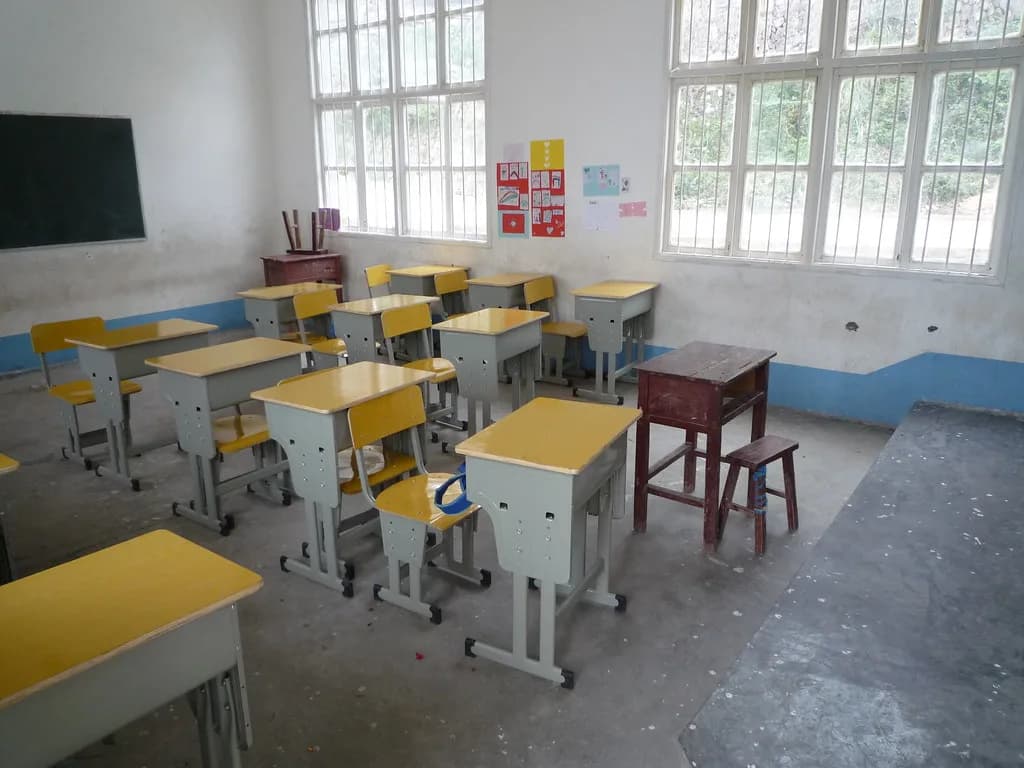
A guided tour during an empty holiday may not reveal congestion, unsafe stairways or pickup confusion. Where permitted, observe the start or end of the school day. Look for supervised gates, clear walking paths, accessible exits and age-appropriate toilets. Ask how the school supports students with disabilities and what happens when a child becomes ill.
For earthquake readiness, ask about evacuation assembly points, structural assessment records if available, and how staff account for every student after a drill. A visible exit sign alone does not establish preparedness. Nepal's disaster-risk information can be explored through the National Disaster Risk Reduction and Management Authority website; verify the current official address if a link fails.
Questions about school buses
Ask whether pickup points are documented, how a missed stop is handled, whether attendants are assigned where appropriate, and who parents contact if a vehicle is delayed. Request current information about vehicle registration, driver licensing and emergency contacts. Never infer that a school operates its own transport merely because a brochure mentions buses.
Student safeguarding and bullying
A credible school should explain how students report bullying, harassment or abuse without retaliation. Ask who investigates complaints, how parents are informed, and whether confidential concerns can reach someone other than the student's usual teacher. Avoid demanding access to another child's private case file.
Compare schools fairly
Compare schools using the same questions and record answers immediately after visits. Published fees, academic results, facilities and claimed accreditations should be independently checked. A school's presence in a directory is not proof of ownership verification or educational accreditation.
For local discovery, browse Ratings Nepal school listings, then consult the related Ratings Nepal education articles. You can also explore the Ratings Nepal directory to compare publicly available business information.
Frequently asked questions
Does a good exam result prove a school is safe?
No. Academic performance and physical or emotional safety are different dimensions. Assess each separately.
Should parents ask for emergency plans?
Yes. Ask for a plain-language explanation of evacuation, first aid, parent communication and student accounting. Some sensitive operational details may not be publicly shared.
Is a directory listing an endorsement?
No. Verify school identity, current operations and official records directly.
Editorial method (15 November 2026): This is a decision checklist based on observable practices and questions for providers, not an inspection or ranking. Share an honest firsthand experience where a genuine review option is available on the relevant listing.