
Language Schools in Nepal: Compare Courses and Fees
Choose a language school by the course outcome you need, the teaching you will actually receive and the written terms you can inspect. A large advertisement or claimed success rate is not proof of quality.
Quick comparison checklist
| What to check | Evidence to request | Warning sign |
|---|---|---|
| Provider identity | Official name and contact | Conflicting names or personal payment requests |
| Product or service scope | Written specifications | Vague promises |
| Total cost | Itemised current quotation | Hidden extras |
| Support or remedies | Written terms and contacts | No documented process |
Define the learning goal before contacting schools
Conversation practice, academic language, workplace communication and exam preparation require different teaching methods. Write down your target level, available study hours, preferred class mode and intended use of the language. Ask schools to recommend a course based on a placement assessment rather than simply selling the most expensive package.
Inspect the syllabus and teaching plan
Request a week-by-week outline with language skills, practice time, assignments and progress assessments. Ask how beginners and advanced students are separated, how missed classes are handled and whether materials are included. A course described as 'complete' should specify what complete means.
Compare teachers and class sizes
Ask about the instructor's relevant teaching experience and whether the same teacher will lead the full course. Observe a sample lesson when available. Compare speaking opportunities per student, feedback on writing and the amount of supervised practice, not just the number of classroom hours.
Understand all fees and refund conditions
Ask for an itemised written quotation showing admission, tuition, books, mock tests, registration and optional services. Clarify whether an external exam fee is excluded. Record refund deadlines, transfer rules, postponement options and what happens if a class is cancelled or the teacher changes.
Verify exam and overseas-study claims
A language course does not itself guarantee a visa, admission or test score. If a school advertises an official partnership or authorised testing status, verify that claim on the relevant institution's website. Confirm exam requirements with the actual university, employer or examination provider.
Measure progress rather than promotional promises
A useful school can show how it assesses entry level, gives feedback and reports improvement. Compare a realistic weekly study plan and access to practice resources. Be cautious of unverifiable pass percentages and testimonials with no dates or context.
Questions to ask before deciding
- Can you show the current written terms and total cost?
- What is included, and what costs extra?
- Which information can I verify independently?
- What happens if the product or service is delayed, unavailable or unsatisfactory?
- Who handles complaints, and what documentation should I retain?
Practical comparison worksheet
Create one row per provider with the date of enquiry, legal name, verified contact, written price, scope, exclusions and follow-up questions. Keep evidence such as brochures, receipts and emails. Avoid treating unverified marketing claims as independent endorsements. Where two offers differ, ask for comparable written specifications before ranking either one.
A more useful course comparison table
| Learning objective | Ask the school to demonstrate | Check after the trial lesson |
|---|---|---|
| Conversation | Pair work, speaking practice and correction | Minutes of individual speaking time |
| Academic writing | Marked writing samples and feedback rubric | How revisions are assessed |
| IELTS or other exam preparation | Current test format, timed practice and official resources | Whether mock results include skill-level feedback |
| Workplace language | Role plays, sector vocabulary and practical tasks | Whether the tasks resemble your intended job |
| Beginner language learning | Placement level, structured progression and revision | Whether the pace suits your starting ability |
A course can be excellent for conversational fluency yet unsuitable for an examination deadline. Compare the actual learning tasks, not just a school's list of course names.
Estimate the real cost per useful learning hour
Divide the complete course fee by scheduled instructor-led hours, then consider whether the timetable provides enough supervised speaking or feedback. For example, a 40-hour course and a 60-hour course are not directly comparable if one includes personal feedback and the other consists mainly of lectures. Ask whether holidays, makeup lessons and optional mock tests count toward advertised hours. This is a comparison method, not a claim about current Nepal market prices.
Check course flexibility before paying
Students balancing school, work or travel should confirm minimum attendance, the process for rescheduling, online access during disruptions and whether a later batch can be joined. Request written rules on class cancellation and refunds before making a non-refundable payment. Keep the invoice and a copy of the timetable.
Useful related reading
Browse the Language Schools category to explore the available directory, and use the school admission checklist for broader education fee questions. The college affiliation guide explains why institution-level verification matters. These are related resources, not endorsements of individual providers.
Frequently asked questions
Is the cheapest option always best?
No. The meaningful comparison includes quality, suitability, documented terms, total charges and after-sales support.
Can an online rating replace independent checks?
No. Reviews can highlight experiences but may be incomplete or outdated. Verify important claims with official records and the provider directly.
What should I do if the provider changes its terms?
Request the revised terms in writing, compare them with the original quotation and retain evidence of payments and communications. Use the relevant consumer or sector complaint process where appropriate.
Sources and further reading
For exam information consult the relevant official test provider and institution; for consumer complaints see Department of Commerce, Supplies and Consumer Protection.
Explore Ratings Nepal categories, all articles, and Ratings Nepal to discover businesses and related guides. Share an honest firsthand review only when you have direct experience; no business in this guide is endorsed or ranked by payment.
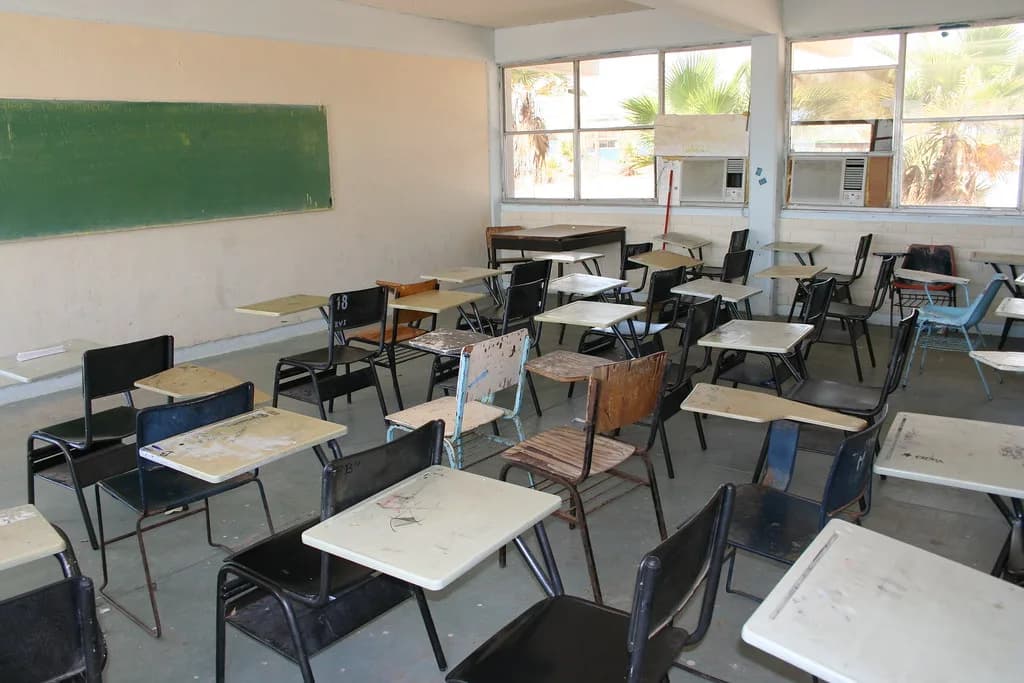
Image: illustrative CC0 stock photography, not a photograph of a Nepal-based provider. Information checked for editorial publication on 22 November 2026; prices and rules may change.