Buying Honey in Nepal: Labels, Storage and Seller Checks
Quick answer: what should you check before buying honey?
Check producer identity, packaging integrity, net quantity, batch details, storage instructions, price and credible evidence for any purity or origin claims. Neither a high price nor a home trick proves that honey is pure. Compare products using documented information rather than advertising slogans.
Honey sellers in Nepal may include beekeepers, cooperatives, packers and retailers. These roles are not interchangeable. The Ratings Nepal categories can help you locate businesses, but each seller's current stock and claims need direct confirmation.
Read the label before comparing prices
| What to check | Useful question |
|---|---|
| Producer or packer | Who can be contacted if there is a problem? |
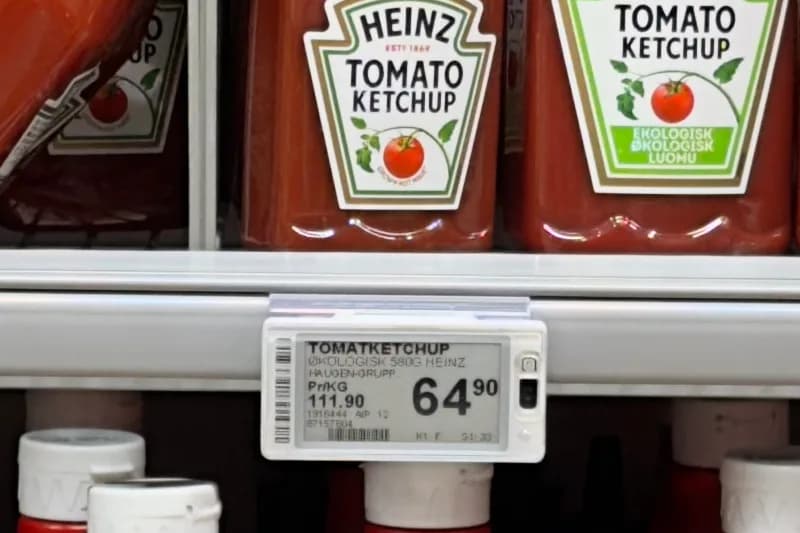
| Net quantity | What is the actual price per 100 g or kilogram? |
| Batch and date information | Can the pack be traced to a production lot? |
| Origin claim | Is the claimed geographic or floral source documented? |
| Ingredients | Is it presented as honey or a honey-containing blend? |
| Storage directions | How should the sealed and opened product be kept? |
Be especially cautious with claims such as 100% pure, medicinal, wild, organic or laboratory tested when no relevant supporting information is available. A laboratory report should identify the sample and test method; a generic certificate is not proof for every jar sold.
Five common misconceptions
Crystallised honey must be fake
Not necessarily. Crystallisation can occur in genuine honey. The rate depends on composition and storage conditions. It is not, by itself, a reliable authenticity test.
Dark honey is always healthier
Colour varies. It does not establish a clinical benefit or guarantee that a product is free of contaminants.
Ants, water or flame can test purity
Popular home tests are not reliable substitutes for appropriate laboratory analysis. Avoid risky flame demonstrations.
A seller's social-media video proves origin
A video may show a hive or harvest, but it does not necessarily establish the origin of the specific batch in your jar.
All honey is safe for every age
Never give honey to infants under 12 months because of the risk of infant botulism. For health concerns or therapeutic claims, seek qualified medical advice rather than relying on a seller's advertisement.
Compare products fairly
Calculate the unit price first. Then note whether delivery, packaging and taxes are included. If one product claims a particular flower source and another is a mixed-floral honey, treat them as different products rather than assigning an unsupported best-to-worst rank.
A useful seller comparison asks whether the business provides a real contact point, transparent label, clear complaint process and consistent product information. Ask how the product is stored during hot weather and transport. Avoid buying from an untraceable account solely because it promises exceptional health effects.
Safe storage and handling
Keep honey in a clean, closed, food-safe container according to the pack's instructions. Avoid introducing water or wet spoons into the jar. If a package leaks, has a broken seal or shows unexplained contamination, contact the seller rather than attempting to fix it yourself.
For wider shopping checks, see Ratings Nepal's consumer guides and the business directory. Compare relevant categories before visiting a supplier.
Frequently asked questions
Does a higher price guarantee better honey?
No. Packaging, branding, distribution and supply conditions influence price. Request comparable product information.
Can a buyer verify organic certification?
Ask for the issuing organisation, certificate scope and validity. Do not assume an organic-looking logo is sufficient.
Should honey replace prescribed treatment?
No. Food products and unverified health claims are not substitutes for medical diagnosis or treatment.
How should I review a honey seller?
Describe your firsthand experience: whether the product matched its label, delivery condition, price clarity and how a problem was handled. Avoid claiming laboratory purity without testing evidence.
Editorial note, 19 November 2026: This guide does not endorse a particular producer or assert unverified purity, health or origin claims.
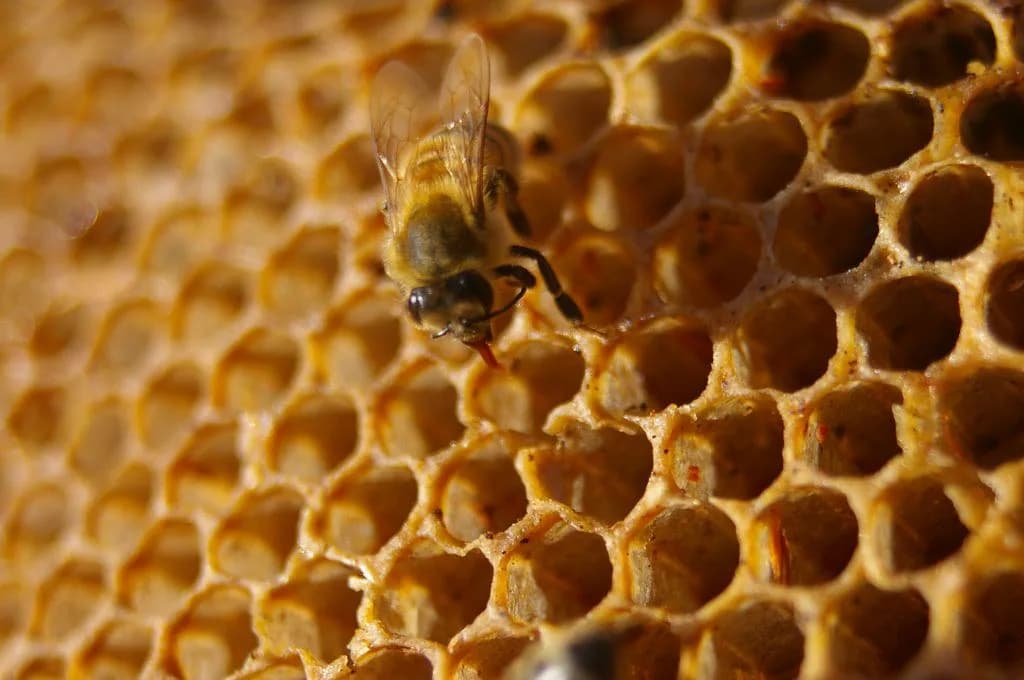
Cover photo attribution: "sweet, sweet honey" by BotheredByBees, CC BY 2.0: https://www.flickr.com/photos/87273935@N00/245215850.