EV Charging in Nepal: Cost and Connector Questions
What should an EV driver confirm first?
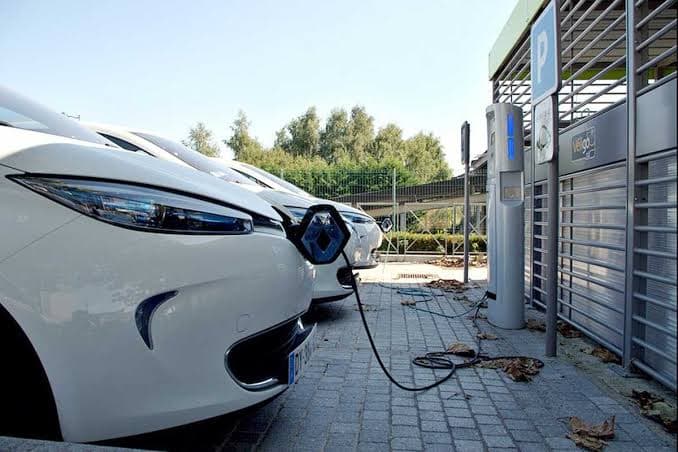
Confirm the exact connector supported by your vehicle, whether the charger is AC or DC, its stated output, whether the site is operational, the payment method and the full tariff. A charger advertised as fast is not necessarily fast for every car: the vehicle controls its own accepted charging power.
AC charging versus DC fast charging
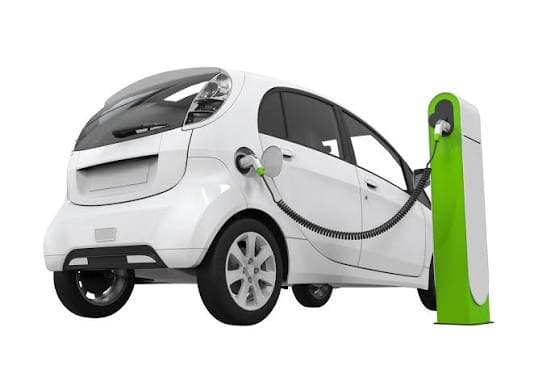
AC charging uses the vehicle's onboard charger, which limits accepted power. DC charging supplies power directly through a compatible vehicle charging system. The charger rating is a maximum, not a promise of constant power. Battery temperature, state of charge, vehicle limits and shared charging equipment can change actual charging speed.
Compare the real cost, not only the displayed rate
Ask whether the price is per kWh, per session, per minute or a combination. Confirm parking, idle and connection fees, taxes, minimum balances, and refunds if a session stops early. Compare the energy actually delivered on your receipt with the payment charged. Do not assume a public station's rate matches a household electricity tariff.
Connector and vehicle compatibility
Read the owner's manual or official importer documentation for the exact model and model year. Ask the charging operator about connector type, voltage/current limits and whether adapters are approved. Do not use improvised adapters or damaged cables. Some vehicle variants sold under the same model name have different charging hardware.
Home charging decisions
Before installing a home charger, ask a qualified electrician to inspect supply capacity, earthing, protective devices, cable route, weather protection and load management. Obtain a written equipment and installation quotation. Confirm any necessary approvals with the electricity distributor and building owner. Do not rely on ordinary extension cords for routine high-load EV charging.
What to do when a public charger fails
Stop if the connector is damaged, excessively hot or wet in an unsafe way. Follow the vehicle and charger instructions, use the operator's published support contact and retain the session receipt. Record the charger ID and error message without sharing payment credentials. If the plug is locked, follow the manufacturer's documented release process rather than forcing it.
A comparison worksheet
| Question | Why it matters | Evidence to request |
|---|---|---|
| Compatible connector? | Prevents failed sessions | Vehicle manual and station specification |
| AC or DC output? | Affects charging time | Charger nameplate |
| Price basis? | Enables fair cost comparison | Current tariff screen |
| Idle or parking fee? | Changes total bill | Operator terms |
| Support available? | Helps with failed sessions | Published contact and hours |
| Receipt provided? | Supports disputes | Itemized transaction record |
Common questions
Is a 120 kW charger always twice as fast as a 60 kW charger?
No. Vehicle acceptance limits, battery conditions and charging curves can make actual differences much smaller.
Should I charge to 100% every time?
Follow your vehicle manufacturer's battery-specific guidance. Charging recommendations vary by battery chemistry and use.
Can I use any charging adapter?
Only use adapters expressly approved for the vehicle and charging equipment.
Sources and further reading
Check the Nepal Electricity Authority for electricity-service information and the vehicle manufacturer's official manual for compatibility and safety. For additional context, explore Ratings Nepal's EV category, business categories, and consumer guides. These links are for discovery, not a claim that every listed business has a functioning charger.
Photo credit
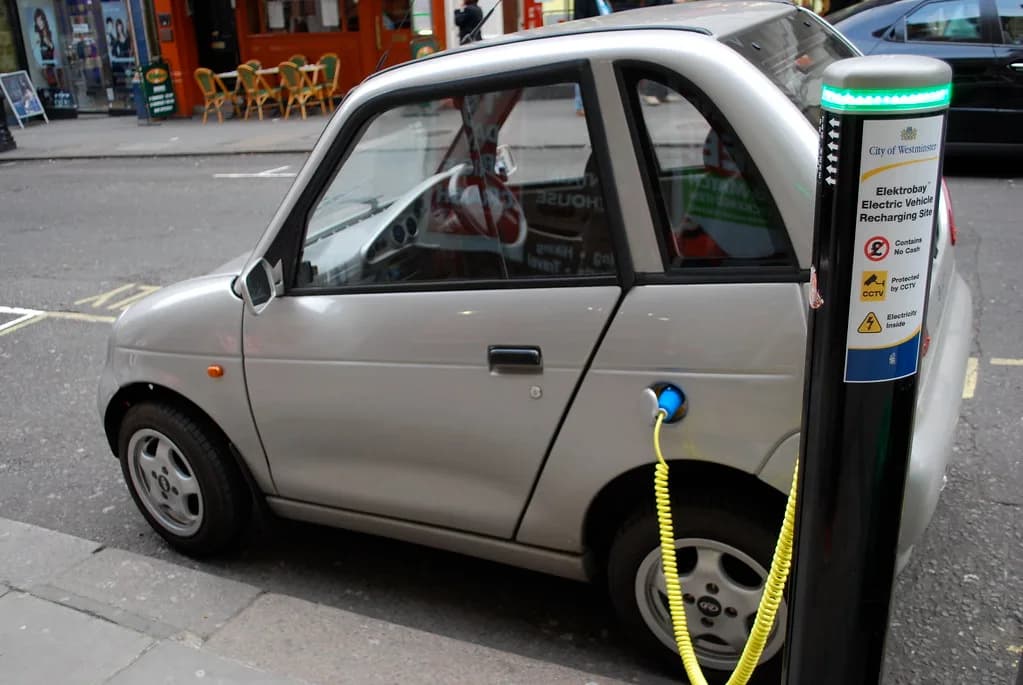
Cover: “Electric car charging” by Alan Trotter, CC BY 2.0, original photograph. Photograph is illustrative and does not depict a verified Nepal charging site.
Illustrative image
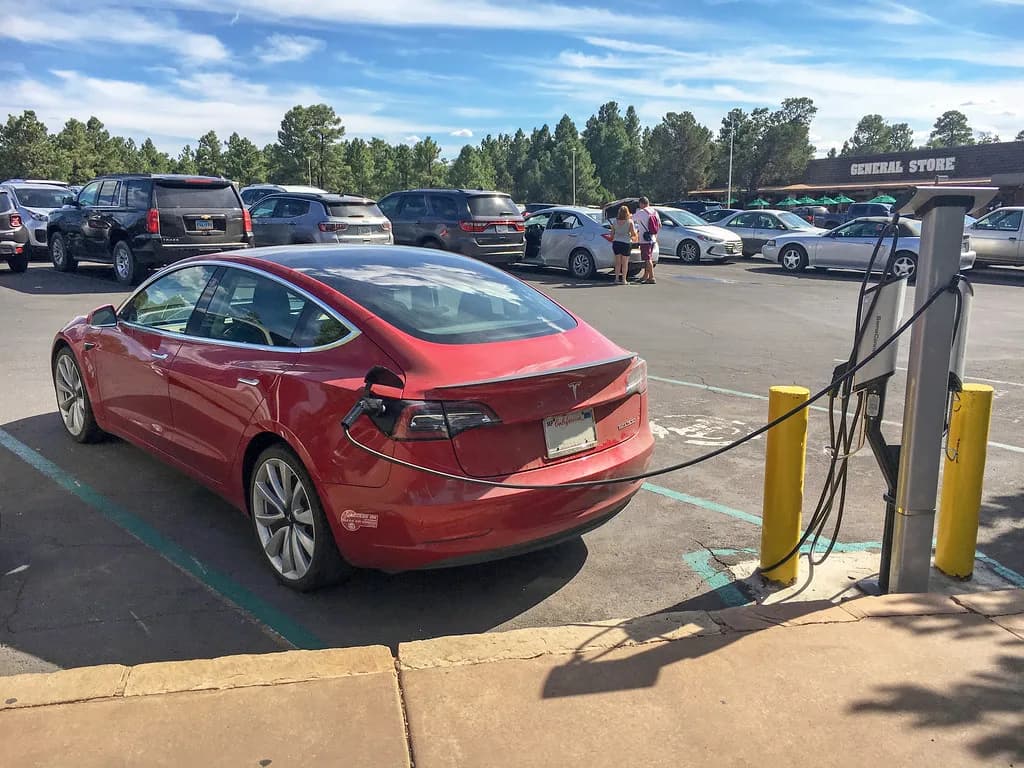
Photograph is illustrative and is not an endorsement of any Nepal-based provider.