Drinking Water Safety in Nepal: Testing and Treatment
Is clear tap water always safe?
No. Clear appearance does not rule out microbial or chemical contamination. Safety depends on the source, distribution system, storage and treatment. Do not infer potability from taste alone.
Why the cheapest purifier may cost more
Compare the complete cost of ownership: initial purchase, cartridges, electricity, installation, service visits and expected replacement intervals. Ask whether replacement cartridges are genuine and available locally. A unit that is rarely maintained may perform poorly regardless of its advertised technology. If a supplier cites laboratory results, confirm whether those results relate to the exact model and the contaminant you are concerned about.
Understand the difference between hazards
Microbiological hazards include bacteria, viruses and parasites. Chemical hazards may include naturally occurring substances or pollutants. Turbidity is a measure of cloudiness, not a complete safety test. Treatment selected for microbes may not address dissolved chemicals, and treatment selected for one chemical may not address others. Start with reliable source information or testing rather than buying equipment solely from an advertisement.
Choose treatment for the actual risk
Boiling is useful for killing many disease-causing microorganisms, but does not remove dissolved chemicals such as arsenic. Filters differ greatly: a sediment filter is not equivalent to a certified microbiological purifier. UV treatment requires suitable water clarity and functioning equipment.
When is testing necessary?
Consider accredited laboratory testing for a new well, persistent taste or odor changes, flooding, suspected contamination, or when selecting equipment to remove a specific chemical. Ask the laboratory which parameters and sampling method apply to your source.
Store treated water safely
Use clean covered food-grade containers, avoid dipping hands or shared cups into stored water, and clean taps and storage vessels. Recontamination can occur after otherwise effective treatment.
How to compare water purifier sellers
Ask what contaminants the device addresses, what test evidence supports that claim, replacement filter costs, electricity needs, service access, warranty and total annual cost. Reject blanket promises that one machine removes every contaminant.
What should renters and travelers do?
Ask the accommodation provider how drinking water is sourced and treated. Use a dependable treated source when safety is uncertain. During emergencies, follow current official water-safety notices rather than generic assumptions.
Quick household checklist
- Identify the main risk and compare actual product or service specifications.
- Ask providers for documented safety information and an itemized receipt.
- Check maintenance instructions and keep emergency contacts accessible.
- Revisit your choices after changes in your household or equipment.
Frequently asked questions
Can a seller's claim replace independent evidence?
No. Ask for the relevant standard, inspection report or documented product specification and verify important claims independently.
Does the same solution suit every home?
No. The right choice depends on the setting, equipment, occupants and local conditions.
More information
Explore Ratings Nepal categories, other consumer guides and business profiles to compare options. Share an honest firsthand review when the relevant listing offers that function.
Primary background source: Official safety guidance. This guide is general information, not a substitute for local emergency services or qualified technical advice.
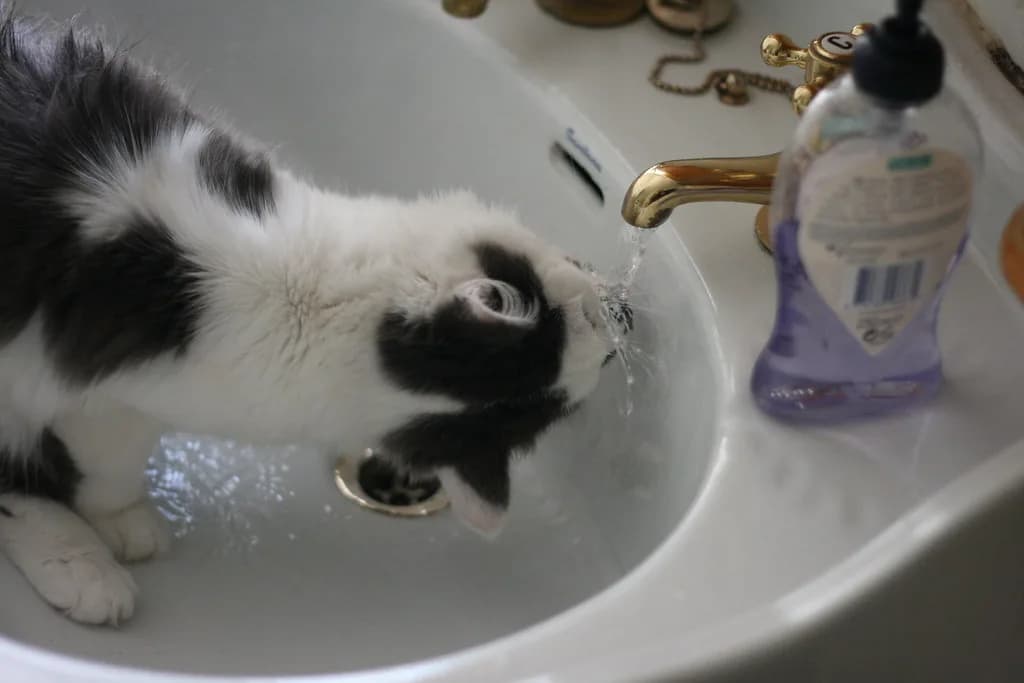
Image: openly licensed reference photograph; not a depiction of a specific Nepal provider.