Choosing Plant Nurseries in Nepal: Kathmandu Garden Guide
A healthy garden begins before the first plant is purchased. In Nepal, a plant that looks attractive in a nursery may struggle at home if its light, drainage, temperature or watering needs do not match the growing space.
Quick answer: Choose a nursery that can identify the plant, explain its care requirements, show healthy roots and leaves, and provide a receipt. For Kathmandu balconies, terraces and small gardens, first measure sunlight and usable space, then select plants and containers. This guide was reviewed on 12 November 2026.
What should you check before buying plants?
Start with the location where the plant will live. A balcony that receives strong afternoon sun is different from a shaded ground-floor room. A rooftop may be exposed to wind and heat, while a courtyard may stay damp for longer.
| Growing location | Main question | Practical buying check |
|---|---|---|
| Sunny terrace | How much direct sun reaches the area? | Choose plants suited to the exposure and secure pots against wind |
| Partly shaded balcony | Is light sufficient for the chosen species? | Ask about minimum light and expected growth |
| Indoor room | Is there usable natural light and ventilation? | Avoid plants sold with unrealistic no-light claims |
| Ground garden | Does water drain after rain? | Inspect soil, slope and waterlogging risk |
| Small kitchen garden | Is there enough space and seasonal sunlight? | Ask about crop timing and plant spacing |
| Office or shop | Who will water during closures? | Choose manageable maintenance requirements |
The most common mistake is buying by appearance alone. Ask the seller for the plant's scientific or commonly accepted name and a care note. This is especially useful when different plants share a local nickname.
How to identify a healthy nursery plant
Inspect leaves and stems
Look for normal colour and firm growth appropriate to the species. Check the undersides of leaves for insects, webbing, sticky residue or unusual spotting. A few old leaves are not automatically a problem, but widespread damage or sudden wilting should prompt questions.
Check the roots and pot
If the nursery allows it, inspect the root ball without damaging the plant. Roots should not be extensively rotten, and the pot should have suitable drainage. A plant with roots circling tightly around the entire container may need careful repotting.
Ask how the plant was grown
Was it raised outdoors, in a shade house or indoors? A plant accustomed to protected conditions may need gradual adjustment before exposure to intense sun or cold nights. Ask whether it has recently been transplanted or treated for pests.
Check the growing medium
A suitable potting medium should match the species and allow appropriate drainage and moisture retention. There is no universal soil mixture for orchids, succulents, vegetables and fruit trees.
Ask about disease and pest management
A reputable seller should be willing to discuss visible pest problems, recent treatments and whether a plant should be isolated before being placed near an existing collection. Do not apply pesticides casually in a home with children or pets.
Plant nurseries in Kathmandu to investigate
Ratings Nepal has a Plant Nurseries category with business records in Kathmandu and other districts. The following are examples for further comparison, not a paid ranking or guarantee of current stock.
E-Nursery Nepal, Anamnagar
E-Nursery Nepal is associated with Anamnagar, Kathmandu. Its published contact page lists 9808035913 and info@enurserynepal.com. Ask about plant identification, delivery handling and whether the specific plant can tolerate your growing conditions.
Source: E-Nursery contact.
Mali Nepal Gardener, Kathmandu
Mali Nepal Gardener has an official contact page identifying a Kathmandu operation and gardening-related services. Confirm its current location, whether it sells the desired plants, and whether planting or maintenance assistance is available.
Source: Mali Nepal.
Standard Nursery, Dhapasi
Standard Nursery appears in public business records on Dhapasi Marg, Kathmandu. Because published opening-hour claims vary, call before visiting and ask what plants are currently available.
The Evergreen Nursery, Kathmandu
The Evergreen Nursery is included in Kathmandu nursery directories. Confirm its current address and contact details independently before travelling; a directory record alone does not establish current operating status.
Kumari Flora Nursery, Paknajol
Kumari Flora Nursery is associated with Paknajol, Kathmandu. Public business information describes ornamental plants, seeds, growing materials and garden supplies. Confirm whether the business name on the current shopfront matches the directory entry, because related Kumari Nursery and Kumari Flora records also exist.
Source: Public nursery information.
GreenHouse Nursery, Kathmandu
GreenHouse Nursery appears in the Ratings Nepal directory. We did not establish a reliable current official website or exact location during this review, so treat this as a candidate requiring direct confirmation, not an independently verified recommendation.
These listings illustrate the range of options. They are not a definitive list of all nurseries or evidence of the best nursery in Nepal.
Which plants are suitable for your space?
Do not choose solely from a generic best indoor plants list. The correct choice depends on light, airflow, space, pets, children, watering capacity and the season.
For a sunny terrace, ask for plants that can tolerate the actual sun exposure and wind. For a shaded balcony, seek species appropriate to lower light, while remembering that lower light does not mean zero light. For a vegetable bed, consider the season and the time available for watering and pest checks.
If you want edible herbs, vegetables or fruit trees, ask for the exact variety, planting season and likely mature size. A young fruit tree may eventually need far more root space than a decorative pot provides.
The Nepal Agricultural Research Council's crop-management guidance discusses nursery-bed preparation for tomatoes. Its guidance illustrates why seedling quality, growing medium and planting preparation matter, although it should not be applied unchanged to every ornamental species.
Comparing soil, pots and drainage
| Item | What to ask | Common problem |
|---|---|---|
| Plastic pot | Does it have drainage holes and enough root space? | Water trapped at the bottom |
| Clay pot | Is it suitable for the plant and local exposure? | Drying faster than expected |
| Grow bag | Can it support the plant and drain safely? | Tearing or unstable placement |
| Potting medium | What are its ingredients and intended use? | Dense soil that remains waterlogged |
| Compost | Is it properly matured and appropriate for the plant? | Root damage from unsuitable material |
| Fertiliser | What dose and frequency are recommended? | Overfeeding or incorrect application |
| Trellis or support | Can it resist wind and growing weight? | Plant or pot falling |
For rooftops, consider structural loading and drainage. Large soil-filled planters, wet growing media and water containers add substantial weight. Seek appropriate building advice before installing heavy rooftop landscaping.
How to transport a new plant safely
Before collecting the plant, ask the seller to water or pack it appropriately for the journey. Keep it upright, protect stems from crushing and avoid leaving it in a hot parked vehicle. For tall plants, secure the pot and branches carefully.
When the plant arrives, inspect it again for pests and damage. Allow it to adjust to its new environment instead of immediately exposing a shade-grown plant to strong direct sunlight. Follow species-specific instructions rather than repotting every purchase on the same day.
For delivery orders, request photographs of the exact plant, its approximate height and pot size. Clarify who is responsible if it arrives broken or severely wilted.
A simple first-month plant-care plan
Week one: observe and acclimatise
Keep the plant in an appropriate light position and monitor moisture without automatically watering every day. Look for signs of transplant stress, pests or poor drainage.
Week two: check the environment
Assess whether the plant receives too much or too little light. Watch for water collecting in trays, and confirm that wind does not threaten the pot.
Week three: adjust only what is needed
If growth is healthy, avoid unnecessary changes. If leaves yellow or wilt, investigate watering, roots, temperature and pests before adding fertiliser.
Week four: document the routine
Record how often the growing medium dries, whether the plant needs support, and what the nursery advised. A simple note is more useful than a fixed watering calendar copied from another climate.
Native, ornamental and medicinal plants
Nepal has diverse native and cultivated plants, and plant selection should consider ecological suitability. The Department of Plant Resources and its research centres work on plant conservation and propagation. Its plant conservation and garden development programme describes nursery production and ex-situ conservation activities.
Do not assume that a plant described as medicinal is safe to consume. Identification, dose, contamination and potential interactions matter. Also avoid collecting protected or wild plants without understanding applicable rules. Ask for legitimately propagated planting stock.
How to compare nursery quotations
Request a clear quotation listing plant name, size, pot, growing medium, transport and any planting labour. Two plants with the same common name may differ in age, root development and condition, making a simple price comparison misleading.
For landscaping projects, ask for a plant schedule, site measurements, replacement conditions, maintenance responsibilities and a realistic establishment period. Do not accept an unconditional survival guarantee without written terms and exceptions.
Frequently asked questions
Which is the best plant nursery in Kathmandu?
There is no independently established universal winner. The best choice is a nursery that offers healthy plants suited to your site, reliable identification, clear care advice and reasonable after-sales assistance.
Can I grow plants indoors without sunlight?
Most plants still need adequate light for healthy growth. Ask about the species' light needs and assess your actual room conditions rather than trusting a no-light sales claim.
How often should I water new plants?
It depends on species, pot size, growing medium, season and exposure. Check moisture and follow plant-specific advice instead of watering all plants on a fixed daily schedule.
Is an expensive plant always healthier?
No. Price may reflect size, rarity, transport or demand. Inspect the plant and compare its condition, identity and suitability before paying.
Should I buy seeds or seedlings?
Seeds can be economical but require suitable germination conditions and time. Seedlings are more convenient for some buyers, but they still need healthy roots and proper acclimatisation.
Are the nurseries listed here officially verified?
No. Ratings Nepal directory inclusion is not ownership verification or certification. Public sources were used where available, and uncertain details are explicitly identified.
Sources, methodology and image credits
Reviewed 12 November 2026. Key references: Department of Plant Resources, Plant Conservation and Garden Development, and NARC tomato nursery guidance. Nursery information is based on linked provider or public directory records, not unverified rankings or invented stock lists.
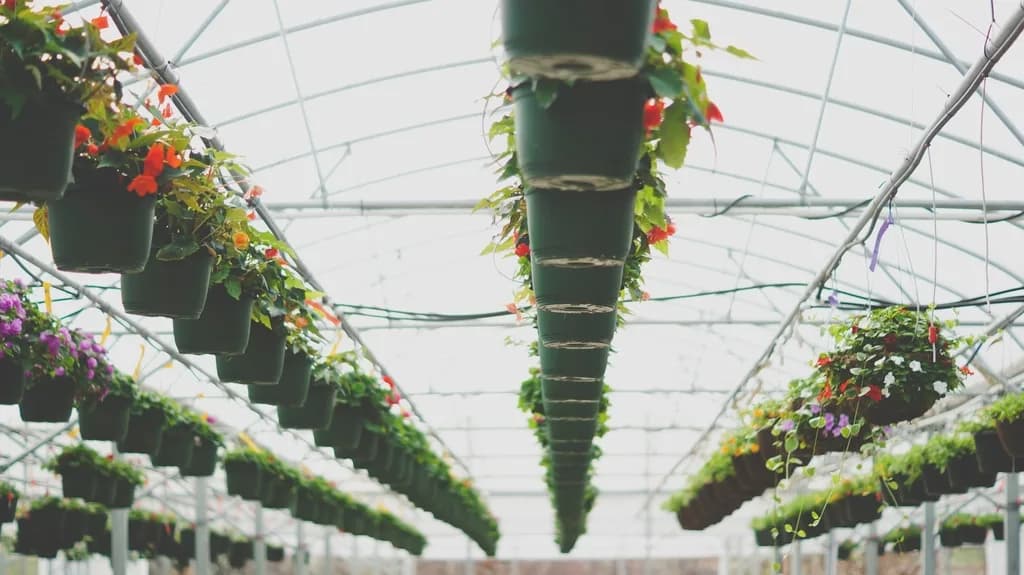
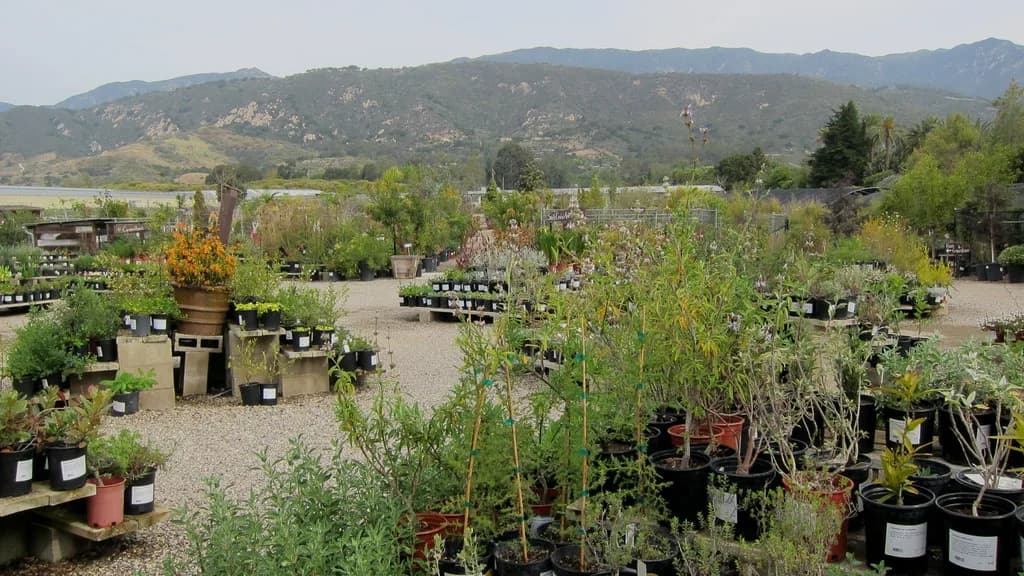
Cover: Potted plants greenhouse, CC0 1.0. Body: Seaside Gardens Nursery by cultivar413, CC BY 2.0. Both are illustrative photographs taken outside Nepal.
Explore more Ratings Nepal categories and consumer guides. If you have personally bought plants or hired gardening services, share an honest review describing plant condition, advice, delivery and after-sales support.