
How to Choose a Pharmacy in Nepal: Safety Checklist
Quick answer
Choose a pharmacy by checking its registration, the medicine label, expiry date, storage conditions and whether qualified staff can explain how to use a prescribed medicine. A low price alone does not establish safety.
Practical comparison checklist
| Pharmacy check | What to confirm | Why it matters |
|---|---|---|
| Registration | Relevant pharmacy authorisation and responsible staff | A listing alone is not a licence |
| Prescription | Correct patient, medicine, strength and directions | Reduces dispensing mistakes |
| Packaging | Batch, expiry, seal and readable label | Supports product traceability |
| Storage | Temperature and handling for sensitive medicines | Poor storage can affect quality |
| Receipt | Itemised bill and product details | Helps with complaints or recalls |
Check the pharmacy before purchasing
Ask whether the shop is registered with the relevant Nepalese authority and whether the person dispensing medicine is appropriately qualified. The Department of Drug Administration (DDA) is Nepal's principal medicines regulator. A business listing, signboard or online review is not proof of regulatory approval. Confirm details with the regulator when necessary.
Bring a clear prescription
For prescription medicines, bring the original or legible prescription and explain allergies and medicines you already take to the qualified professional. Do not substitute a different strength or active ingredient based solely on a shop recommendation. Ask the prescriber when instructions are unclear.
Inspect packaging and storage
Check the medicine name, strength, manufacturer, batch, expiry date, intact seal and storage instructions. Avoid loose or unidentified tablets. Medicines requiring refrigeration need appropriate handling; ask staff how cold-chain storage is maintained.
Compare the full cost
Compare the exact prescribed brand or generic, strength, quantity and pack size, not just a quoted price. Ask for an itemised bill and check the product before leaving. A lower-cost alternative should be assessed for therapeutic equivalence by a qualified professional.
When something goes wrong
Keep the bill, package and batch details. Contact the pharmacy and prescribing clinician promptly about a suspected dispensing error or unexpected reaction. Seek urgent medical help for severe symptoms. Report suspected substandard medicines through the DDA's published channels.
Questions to ask before choosing
- Is this pharmacy appropriately registered, and who is dispensing the medicine?
- Does the supplied medicine match the prescribed ingredient and strength?
- What is the expiry date and how should it be stored?
- Are there important interactions or precautions to discuss with my clinician?
- Can I receive an itemised receipt?
What to do when the prescribed brand is unavailable
Do not assume that two similarly named medicines are interchangeable. Ask the dispensing professional to compare the active ingredient, strength, dosage form and route of administration. Modified-release tablets, injections and combination products may require particular care. If a substitution is uncertain, contact the prescriber before purchasing.
For children, older adults and people taking several medicines, request clear instructions on the prescribed dose and timing. Do not rely on verbal memory alone: check the written label against the prescription. Never split, crush or combine medicines unless an appropriate professional has confirmed that it is safe.
Check cold-chain and recalled products
Some medicines require controlled storage. Ask how temperature-sensitive stock is handled and transported; avoid buying a product with unclear storage history. If you hear about a medicine recall, compare its name and batch number with the official notice rather than assuming every pack of that brand is affected. The Department of Drug Administration publishes regulatory information and notices.
Frequently asked questions
Can online ratings prove a pharmacy is licensed?
No. Ratings describe experiences; licensing needs confirmation through the competent regulator.
Should I buy antibiotics without a prescription?
Do not self-prescribe antibiotics. Seek advice from an appropriately qualified clinician and follow applicable prescription requirements.
What if a medicine has no expiry date?
Do not use unidentified or inadequately labelled medicines. Ask a qualified pharmacist for a properly labelled product.
Explore providers and related guides
Use Ratings Nepal categories to explore business types, browse the pharmacies category and read other consumer guides. You can also visit Ratings Nepal to find businesses and share an honest firsthand experience where review submission is supported. Compare independent evidence rather than assuming a listed business is endorsed or certified.
Sources and editorial method
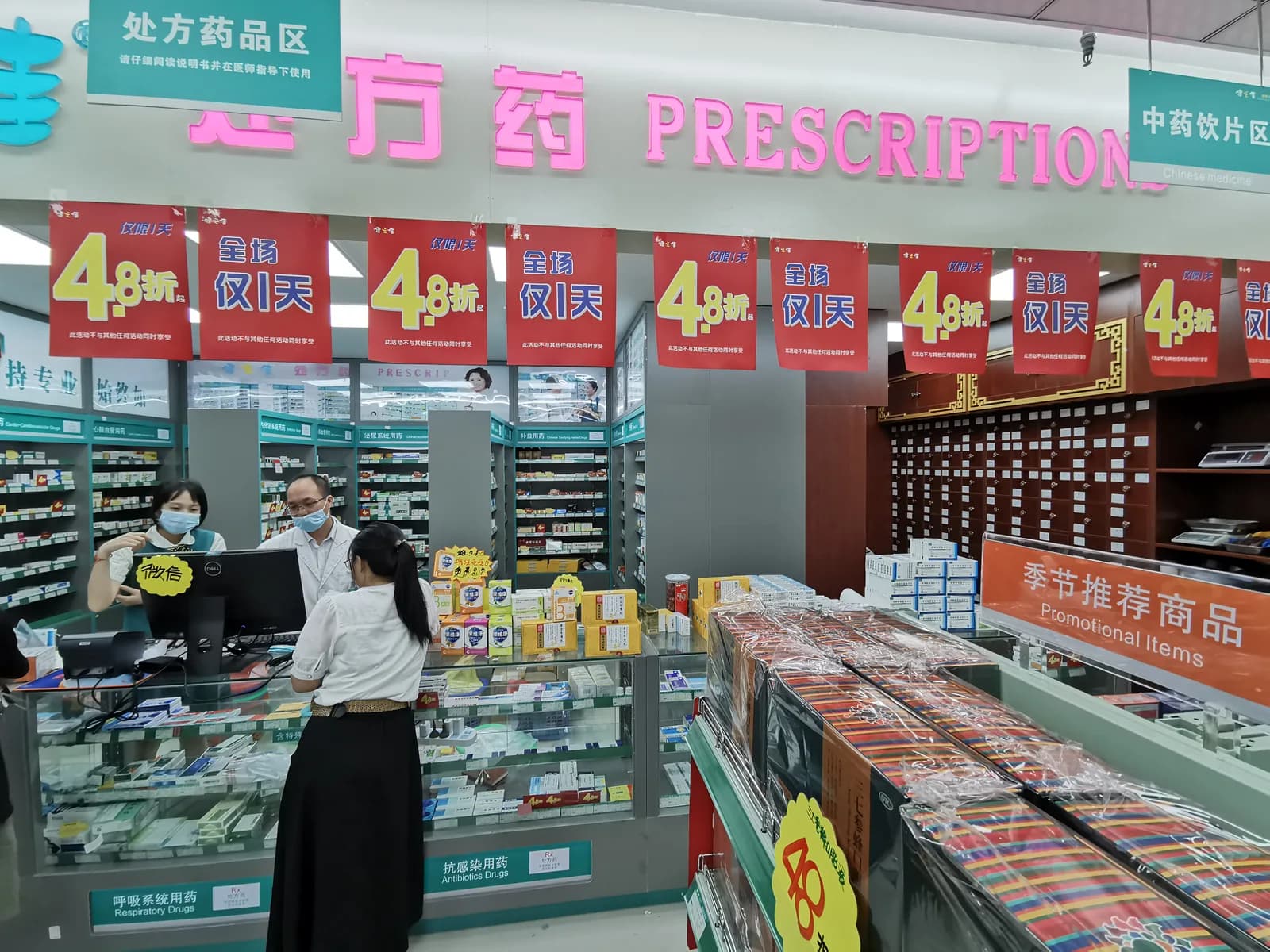
This practical checklist is an educational guide, not a ranking or a test of individual providers. The general regulatory or institutional reference is Department of Drug Administration; confirm current sector-specific requirements with the relevant authority. The illustration is not a photograph of a listed Nepal business. Reviewed 5 November 2026. Prices, rules and availability may change.