Carbon Monoxide Safety in Nepal: Winter Heating Guide
Why is carbon monoxide dangerous?
Carbon monoxide is a colorless, odorless gas produced when carbon-containing fuels burn incompletely. Exposure can cause headache, dizziness, nausea, confusion, unconsciousness and death. People who are asleep may not notice warning symptoms.
Why symptoms are easy to miss
Early carbon monoxide poisoning can resemble influenza, fatigue or a common headache. The absence of smoke or a noticeable smell does not establish that a room is safe. If several people in the same room become unwell together, especially around a combustion appliance, treat that pattern as a warning and move to fresh air. Do not wait for symptoms to become severe before seeking urgent help.
Review accommodation and workplace risks
Guesthouses, rental rooms, workshops and offices may use fuel-burning equipment or backup generators. Operators should keep generators outside and maintain exhaust systems, communicate heating rules, and provide safe alternatives to indoor charcoal use. Residents can ask where generators exhaust, whether appliances are serviced and how to leave the building quickly. Alarm availability should be considered as an added precaution rather than proof of safe air.
Which situations raise the risk?
Burning charcoal or coal inside a closed room, using a generator indoors or near open windows, blocked flues and poorly maintained fuel-burning heaters are important hazards. Opening a window is not a reliable substitute for using combustion equipment safely outdoors.
How to reduce exposure
Never use charcoal braziers, outdoor grills or portable generators inside homes, tents or enclosed garages. Keep generators outdoors well away from doors, windows and air intakes. Have fuel-burning appliances installed and inspected by qualified professionals.
What if someone feels unwell?
If carbon monoxide exposure is suspected, move everyone into fresh outdoor air immediately, call emergency services and obtain urgent medical assessment. Do not return indoors to investigate or retrieve belongings until responders say it is safe.
Do alarms help?
A suitable carbon monoxide alarm can provide an extra warning where available, but it cannot replace correct installation, maintenance and safe fuel use. Follow the manufacturer's placement, testing and replacement instructions.
Special considerations in Nepal
Winter heating practices vary between households and elevations. Families using solid fuels should prioritize ventilation, safer heating alternatives and local fire-safety advice. Landlords and accommodation operators should communicate hazards clearly to residents and guests.
Quick household checklist
- Identify the main risk and compare actual product or service specifications.
- Ask providers for documented safety information and an itemized receipt.
- Check maintenance instructions and keep emergency contacts accessible.
- Revisit your choices after changes in your household or equipment.
Frequently asked questions
Can a seller's claim replace independent evidence?
No. Ask for the relevant standard, inspection report or documented product specification and verify important claims independently.
Does the same solution suit every home?
No. The right choice depends on the setting, equipment, occupants and local conditions.
More information
Explore Ratings Nepal categories, other consumer guides and business profiles to compare options. Share an honest firsthand review when the relevant listing offers that function.
Primary background source: Official safety guidance. This guide is general information, not a substitute for local emergency services or qualified technical advice.
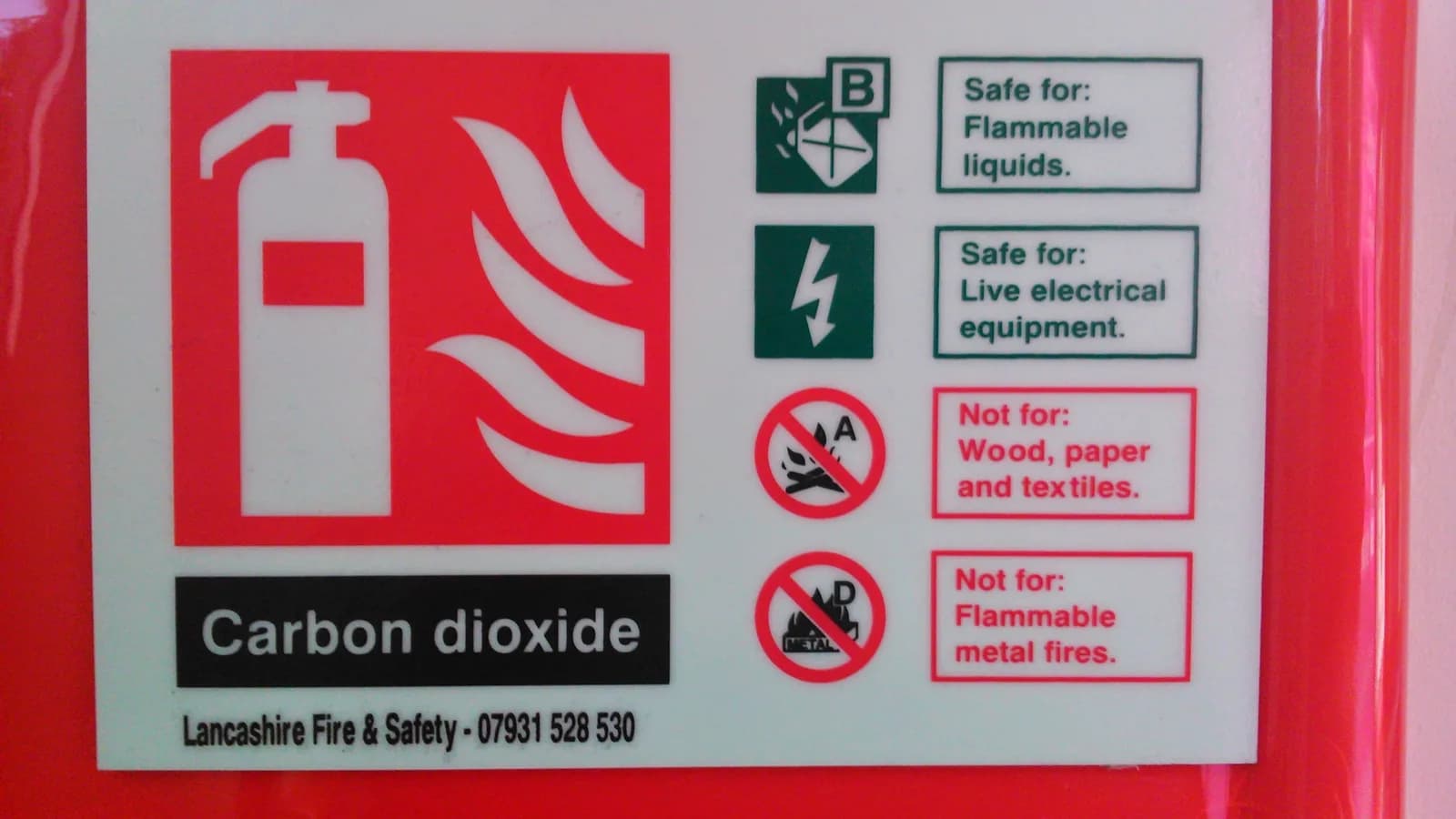
Image: openly licensed reference photograph; not a depiction of a specific Nepal provider.